
Which AI Search Questions Should You Track? Start with Customer Reviews
Customer reviews reveal the situations, unmet needs, and outcomes that can become high-intent AI search prompts for ecommerce brands.
Methods and observations for connecting customer reviews, AI answers, and advertising.
Need the steps? Read the guides ↗22 articles
Customer reviews reveal the situations, unmet needs, and outcomes that can become high-intent AI search prompts for ecommerce brands.
Why readable product evidence matters when shoppers encounter AI answers, with a dated look at Pew’s US Google browsing study.
Compare organic mentions and ad performance in the same customer context. Match the product, market, and period, then use the evidence to choose the next task.
Use AEKO MCP and saved task plans in Claude or Codex, and distinguish connected-AI work from supported hosted automations and their costs.
A practical guide to Product structured data: what JSON-LD does, how to find it in Chrome, and what to compare across product pages.
Connect store and review context to AI visibility, evidence review, ads, content plans, and the next task in your AI.

Understand AI-answer visibility and agentic commerce, then apply the 5Cs to product facts, review context, content, and ads.
How AEKO orchestrates Claude and Codex planners, consolidates their work, and turns the plan into a visual artifact for human review.
A July 2026 client review showed why crawler logs and answer citations need separate verification. This case note explains the method without publishing identifiable client results.
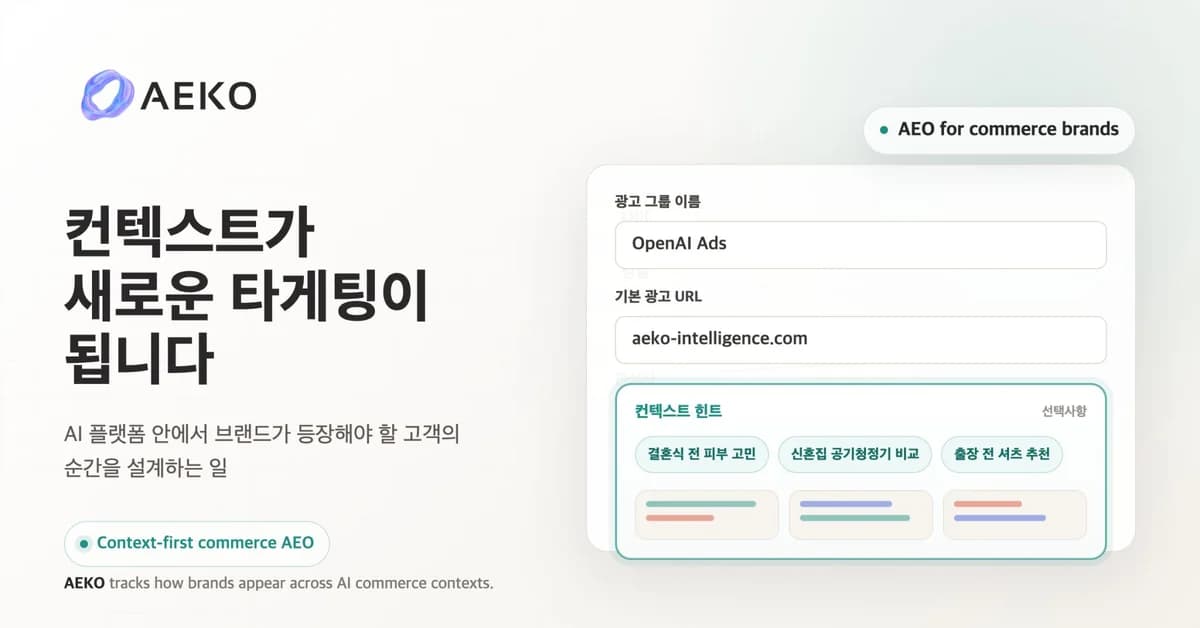
A founder’s June 2026 observations about customer situations and ad planning, based on the OpenAI Ads account he explored.
Use customer context and visibility findings to plan ad tests, while measuring organic mentions, citations, and paid delivery separately.

Gopuff, Amazon, and Hey Savi with PayPal show how AI shopping is moving from product discovery into cart-building and checkout.

Google Preferred Sources and Naver Mate show why AI citation is becoming a core process metric for AI search.

Read Shopify’s early AI-referral observations with their cohort and period, then compare equivalent metrics in your own store.

A fictional workflow for selecting prompts, reviewing product evidence, publishing content, and comparing AI answers. No customer results are claimed.

Plan Japanese-language prompts, evidence reviews, and repeat measurement for a fictional brand entering Japan.

A review of an externally reported ecommerce case, with AI-channel revenue separated from total revenue and observed changes separated from causation.
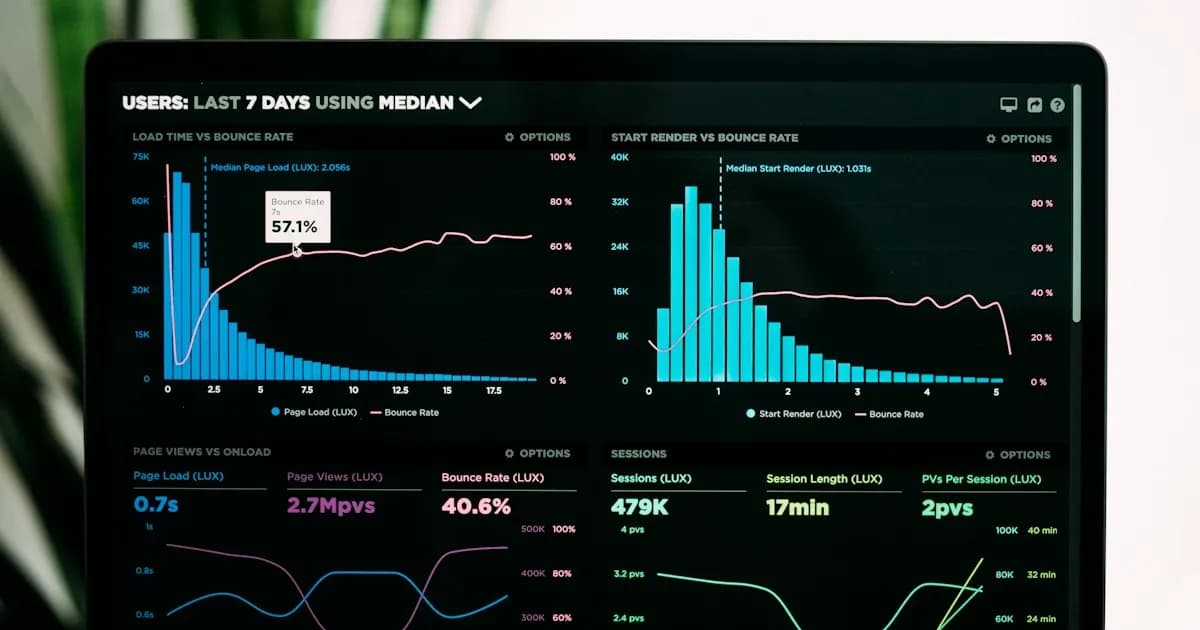
An external case analysis that separates a website and content program from claims about one tactic causing pipeline or revenue.
What Ahrefs’ own signup data and external business reports can—and cannot—tell a merchant about AI referrals.

Understand AEO and GEO through mentions, citations, factual accuracy, and a repeatable process for improving product information.

Compare search and AI-answer measurements, share the technical groundwork, and use consistent product evidence across both workflows.

Separate observed answers and cited sources from assumptions about hidden algorithms. Compare products across engines, markets, and languages.
Follow the guides from setup to checking a result.
AEKO Newsletter
Coming SoonWeekly deep dives into everything you should know about AEO.